Portugal in Winter by Motorbike: Where the Weather Is Mild
Portugal in winter: IPMA temperatures and rain in Lisbon, Faro and Guarda, where to ride a motorbike in mild weather and which routes to avoid.
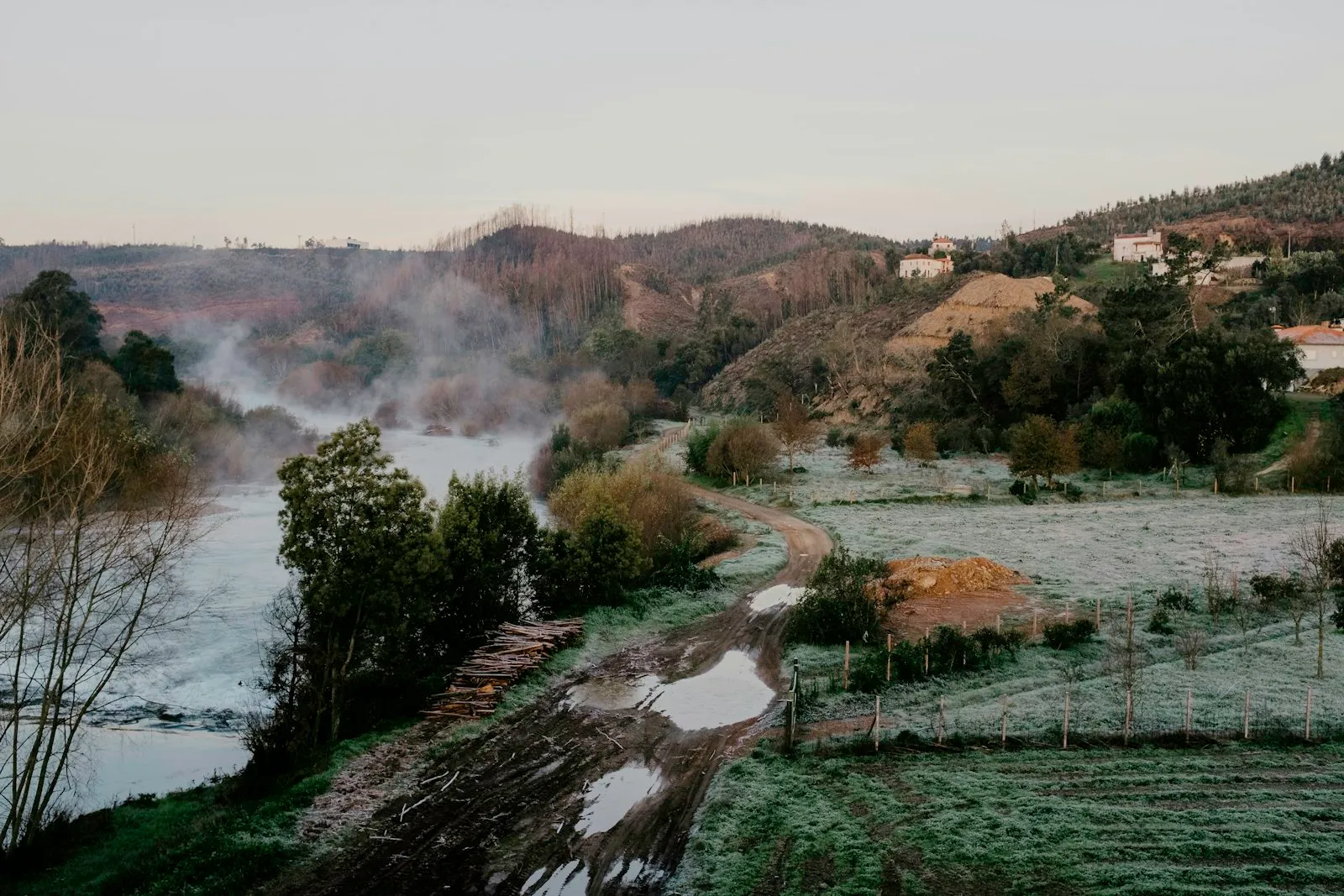
Almost everyone thinks of Portugal as a summer destination, which is why the rest of the year feels like a secret. Portugal in winter is not the Portugal of the postcards: there are fewer people on the terraces, the light is low and golden, the coastal roads are almost empty and, in the south, you can still ride in short sleeves at midday on many days. But the country also has an interior that really freezes. This guide separates the two using IPMA figures, so you can decide where it makes sense to ride a motorbike between November and February, where you are better off staying in the city and which bike to bring.
In short:
- Lisbon in January: average high of 15.1 °C and low of 8.6 °C, with no frost days on average (IPMA, 1991-2020).
- Faro in January: high of 16.3 °C and only 49.3 mm of rain, half of what falls in Lisbon.
- Guarda, at 1,001 m of altitude: 8.6 frost nights in January and absolute lows of -8.4 °C.
- The Algarve is 250 to 300 km from our shop: a 2 to 4 day rental, 400 km per day included.
- The wettest month in Lisbon is November (133.9 mm), not January.
What the IPMA numbers say about the Portuguese winter
Instead of repeating clichés, let's go to the data. The Portuguese Institute for Sea and Atmosphere (IPMA) publishes the 1991 to 2020 climate normals for each weather station. We picked three points that represent the three versions of the Portuguese winter well: Lisbon (Instituto Geofísico station), Faro (airport) and Guarda, the highest city on the mainland, at the doorstep of the Serra da Estrela. Guarda is not inside the mountains and the Estrela plateau is even colder, so treat its numbers as an optimistic limit for the mountain.
| Station | Month | Average high | Average low | Rain | Rain days (1 mm or more) |
|---|---|---|---|---|---|
| Lisbon | December | 15.4 °C | 9.4 °C | 108.5 mm | 10.0 |
| Lisbon | January | 15.1 °C | 8.6 °C | 103.8 mm | 10.0 |
| Lisbon | February | 16.4 °C | 9.1 °C | 77.8 mm | 7.9 |
| Faro | December | 17.1 °C | 9.7 °C | 90.0 mm | 7.0 |
| Faro | January | 16.3 °C | 8.3 °C | 49.3 mm | 6.0 |
| Faro | February | 17.0 °C | 8.8 °C | 41.9 mm | 5.4 |
| Guarda | December | 8.0 °C | 2.4 °C | 133.3 mm | 9.2 |
| Guarda | January | 7.2 °C | 1.5 °C | 101.1 mm | 9.7 |
| Guarda | February | 8.6 °C | 2.0 °C | 75.9 mm | 7.4 |
Read the table carefully, because it explains almost everything. Between Lisbon and Faro the temperature differs by a degree or two, but the rain changes: in January, Faro gets about half of Lisbon's water and has four fewer rain days. Between Lisbon and Guarda the difference is more than seven degrees in the highs. The same station records 8.6 frost days in January, 8.3 in February and 6.4 in December, and once had a low of -8.4 °C in January 2017. In Lisbon and in Faro, the average number of frost days is zero in every winter month.
Lisbon and surroundings: the easiest winter
Lisbon has a quirk that the numbers hide: the winter is damp, not cold. A high of 15 °C with a clear sky makes for a pleasant scooter day, with a jacket, gloves and a thermal layer. What bothers you is the rain, which is concentrated in autumn and early winter. November is the wettest month in the series, with 133.9 mm and almost 10 rain days, followed by December (108.5 mm) and January (103.8 mm). February drops to 77.8 mm and March to 68.7 mm.
In practice, this means that if you choose the week well, you have a good chance of catching several sunny days in a row. The 10-day hourly forecast from IPMA, with the weather warnings map, is the right tool to decide in the morning whether or not you head out. The yellow, orange and red warnings tell you when wind or heavy rain make the ride a bad idea, so check them before booking and again the day before.

A 125 cc scooter handles Lisbon in any season, and in winter it makes even more sense, because parking is easy and streets with wet cobblestones call for low speed anyway. If you want to rent a scooter in winter, choose one with good wind protection and bring waterproof gloves. One rule matters more in winter than in summer: wet cobblestones, tram tracks and manhole covers are where the wheels slip first. Brake early, in a straight line, and avoid leaning on those surfaces.
The shop is in Sobreda, on the Margem Sul (south bank), and is open from 09:00 to 17:00. In November 2026, delivery at Lisbon airport costs €50 (pickup) and €60 (return), and delivery to your hotel or home, up to 10 km, costs €40 each way. For anyone landing in the afternoon in winter, when the sun sets early, it is a good way not to lose the only hour of light.
Algarve: the south where winter is barely noticeable
If you are looking for the mildest place on the mainland to ride a motorbike between December and February, it is the Algarve. Faro's highs hover around 16 to 17 °C, the lows stay above 8 °C and the station has never recorded, on average, a single frost day. Rain is light compared with the rest of the country, especially from January to March. The general idea is simple: in winter the coastal roads are deserted, the heat of August is a memory and the viewpoints are all yours. The Visit Algarve portal helps you see what is open in each town.
The catch is the distance. The Algarve is 250 to 300 km from our shop, so we do not treat it as a day trip. It works as a 2 to 4 day rental, with a minimum of 2 days and 400 km per day included. Each extra km costs €0.49. On a three-day stay, that gives you 1,200 km of margin, more than enough to go, come back and explore the coast from Sagres to Tavira. For a ride like this, a touring bike or an adventure bike, with an upright position and some wind protection, is far more comfortable than a 125 scooter on an A-road. Each model page states the licence and the minimum age.
In the late afternoon the temperature drops quickly. Lows of 8 to 9 °C are not mountain cold, but at A-road speeds the wind chill drops a lot. Bring a thin thermal layer under your jacket and lined gloves. On sunny days, the clothing is too much at midday: the trick is to be able to take off layers without stopping on a verge.
The interior and the Serra da Estrela: where winter is for real
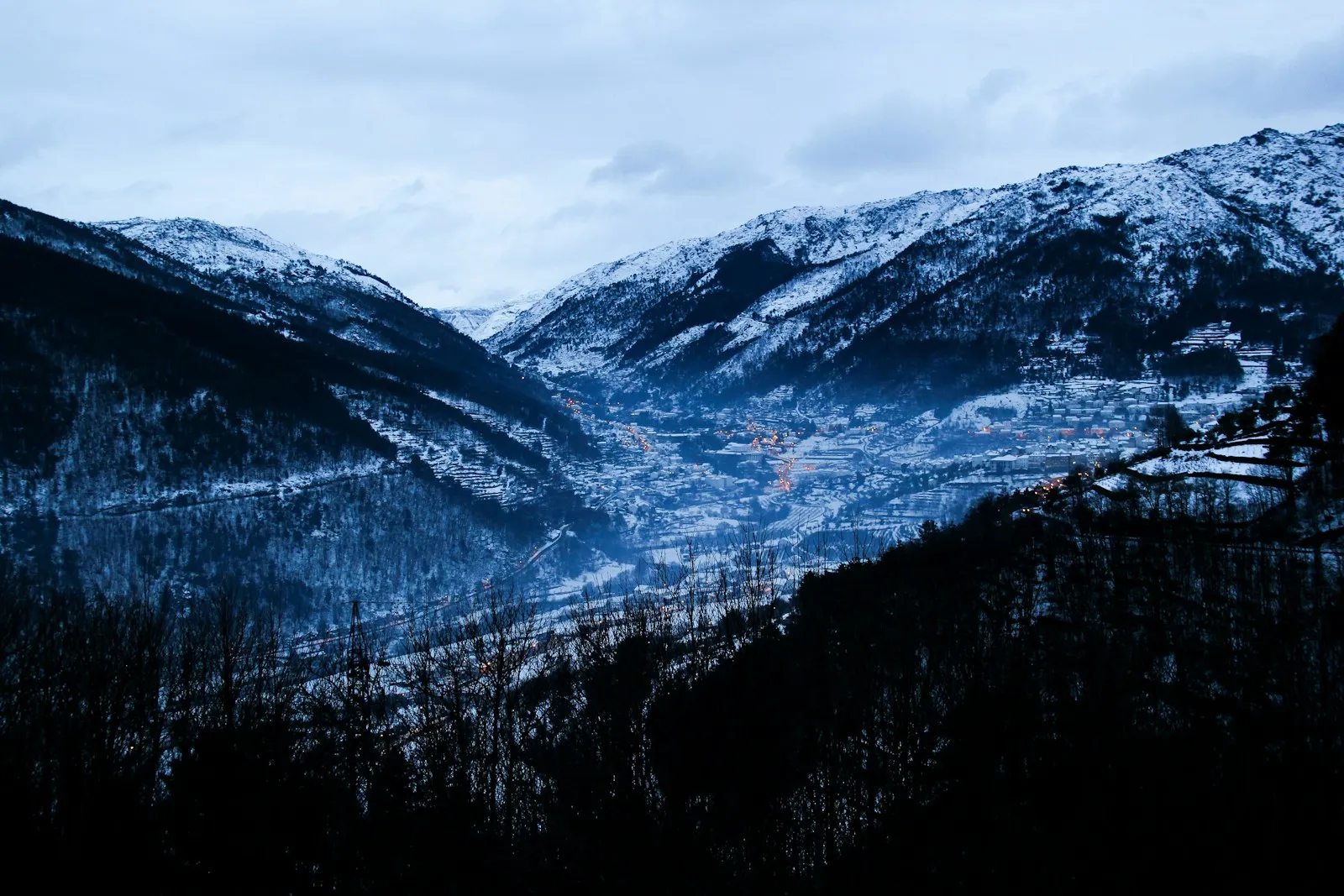
The same trip that is a ride in a sweater in the Algarve can be a test of endurance in Trás-os-Montes or in the Beira Interior. Guarda, at 1,001 m, has an average high of 7.2 °C in January and 31.9 frost days per year, according to the climate normal for Guarda. In the Serra da Estrela, which is higher, the temperature drops even further and snow is possible. The official tourism portal has a page dedicated to the Serra da Estrela.
The problem with ice and snow on a motorbike is not the temperature itself: it is the road surface. A mountain road with invisible ice on a shaded bend is the worst possible situation for anyone on two wheels. So our recommendation is clear: in winter, do not plan the Serra da Estrela as a motorbike destination or Guarda as a stage. If your itinerary really has to pass through the interior, do it in the middle of the day, only with a clear-sky forecast and no IPMA warnings, and leave the mountains before the afternoon cools down. Anyone who wants to see the interior at a relaxed pace should wait for the 10-day motorbike route through Portugal, designed for October.
The rule we use on our trips is this: if the forecast for the day says a night below 3 °C in the area you are crossing, the high-altitude road waits for another time. There is plenty to see at sea level.
Is riding a motorbike in winter worth it?
It depends on what you are looking for. For a tour of the country with climbs into the mountains and nights in the interior, winter is the wrong season. If you want two or three days of mild coast, without heat and without crowds, it is probably the best time of the year.
There are concrete reasons to ride in this period. Coastal roads, such as the Costa Vicentina, lose the summer traffic. The car parks in the tourist towns are empty. Temperatures of 15 to 17 °C are, for a rider, more comfortable than the 35 °C of August inside a protective jacket. In Lisbon, with 10 rain days per month in January, more than two thirds of the days bring no rain.
And there are reasons to stay home. The days are short, and the light ends early. The rain, when it comes, can be heavy: Lisbon averages 3.7 days per month with 10 mm or more in December and January. The Atlantic wind, on stormy days, is serious on bridges and on exposed roads. And the accumulated cold of several hours is tiring, even at 15 °C.
How to dress and how to ride
In mild climates, the most common mistake is dressing too lightly. At 15 °C standing still, the body feels fine; at 90 km/h, the wind takes several degrees off the wind chill. The right clothing works in three layers: a thermal base layer that does not retain sweat, a thin middle layer and a jacket with a lining and armour. For your hands, waterproof gloves with a long cuff. For your feet, closed, waterproof boots. And a thin balaclava, which fits under the helmet and protects your neck.
On a wet road, braking distance increases. Increase your following distance, avoid sudden braking, use both brakes together gently and avoid painted road markings, manhole covers and rails, which are the slipperiest spots. Dry-looking asphalt after a cold night may still be damp in shaded areas, so slow down on bends next to trees and in tunnels. If it rains, stop somewhere sheltered: a cup of coffee halfway is better than 50 km of praying on every bend.
With short days, plan to reach your destination in daylight, and bring a visor with an anti-fog treatment.
Winter routes that work
With the data in hand, winter routes are easy to choose. The criteria are: low altitude, coast or south, little shade and good options for shelter.
- Lisbon and surroundings (1 day): Sintra, Cascais, Cabo da Roca or the Arrábida, at the pace of a scooter or a touring bike. Short distances, many cafés open, few people.
- Alentejo coast (2 days): Comporta, Melides, Santiago do Cacém and Sines, with wide, flat roads. Temperatures are close to Lisbon's, and the rain is left to December and January.
- Costa Vicentina and Algarve (2 to 4 days): the best combination for the winter sun. Set off from Sobreda, go along the coast and come back by another road.
- Lower interior (2 days): Évora and the Alentejo valleys, with a clear sky and dry cold. Watch out for the early mornings, when frost may already appear.
The routes you should cross off the list between December and February are the high-altitude ones: Serra da Estrela, Gerês, Marão and the villages of the northern interior. They are done much better between April and June or in September and October.
Booking a winter rental
The process is the same as the rest of the year. You book online and pay 30% of the amount. If you cancel more than 7 working days in advance, the refund is 100%. The insurance includes third-party liability and roadside assistance. The 400 km per day are included. The deposit is a pre-authorisation on your credit or debit card, released on the day of return; the bank usually takes 7 to 15 working days to show it on your statement. Anyone who wants to go to Spain needs prior authorisation and the Spain extension, which costs €58 for 10 days.
One last practical note: carry your luggage in waterproof bags or with a rain cover, because winter water gets into everything, and leave room on your card for the deposit pre-authorisation, which stays blocked during the rental.
Frequently asked questions
Is it too cold to ride a motorbike in Portugal in winter?
Not on the coast and in the south. In Lisbon the average January high is 15.1 °C and in Faro 16.3 °C, with no frost days on average. In the high interior, such as Guarda, the January high is 7.2 °C and there are 8.6 frost nights, and there ice on the road is a real risk.
What is the wettest winter month in Lisbon?
According to the IPMA normals for 1991-2020, November is the wettest, with 133.9 mm, followed by December with 108.5 mm and January with 103.8 mm. February drops to 77.8 mm.
Can I ride to the Algarve from Lisbon in a single day in winter?
We do not recommend it. The Algarve is 250 to 300 km from our shop and the days are short, so it works better as a 2 to 4 day rental, with a minimum of 2 days and 400 km per day included.
Should I avoid the Serra da Estrela in winter?
For riding a motorbike, yes. Guarda, on the edge of the mountains, has an average of 31.9 frost days per year, and in the mountains there can be snow and ice. Check the IPMA warnings and postpone that stage to spring or autumn.
Which bike is best for winter?
For the city, a 125 scooter with good protection. For long trips along the coast, a touring bike or an adventure bike with an upright position and wind protection, which are less tiring on the road.
Ready to ride in Lisbon?
Book your motorcycle or scooter in a few minutes, with delivery across Lisbon.
View the fleetSources
- 11991 to 2020 climate normalshttps://www.ipma.pt/pt/oclima/normais.clima/1991-2020/
- 2IPMA, with the weather warnings maphttps://www.ipma.pt/pt/otempo/prev.avisos/
- 3Visit Algarve portalhttps://www.visitalgarve.pt/pt
- 4climate normal for Guardahttps://www.ipma.pt/bin/file.data/climate-normal/cn_91-20_GUARDA.pdf
- 5page dedicated to the Serra da Estrelahttps://www.visitportugal.com/pt-pt/destinos/serra-da-estrela
Motorcycle and scooter rental in Lisbon, Portugal.
All articles by the teamYou may also like
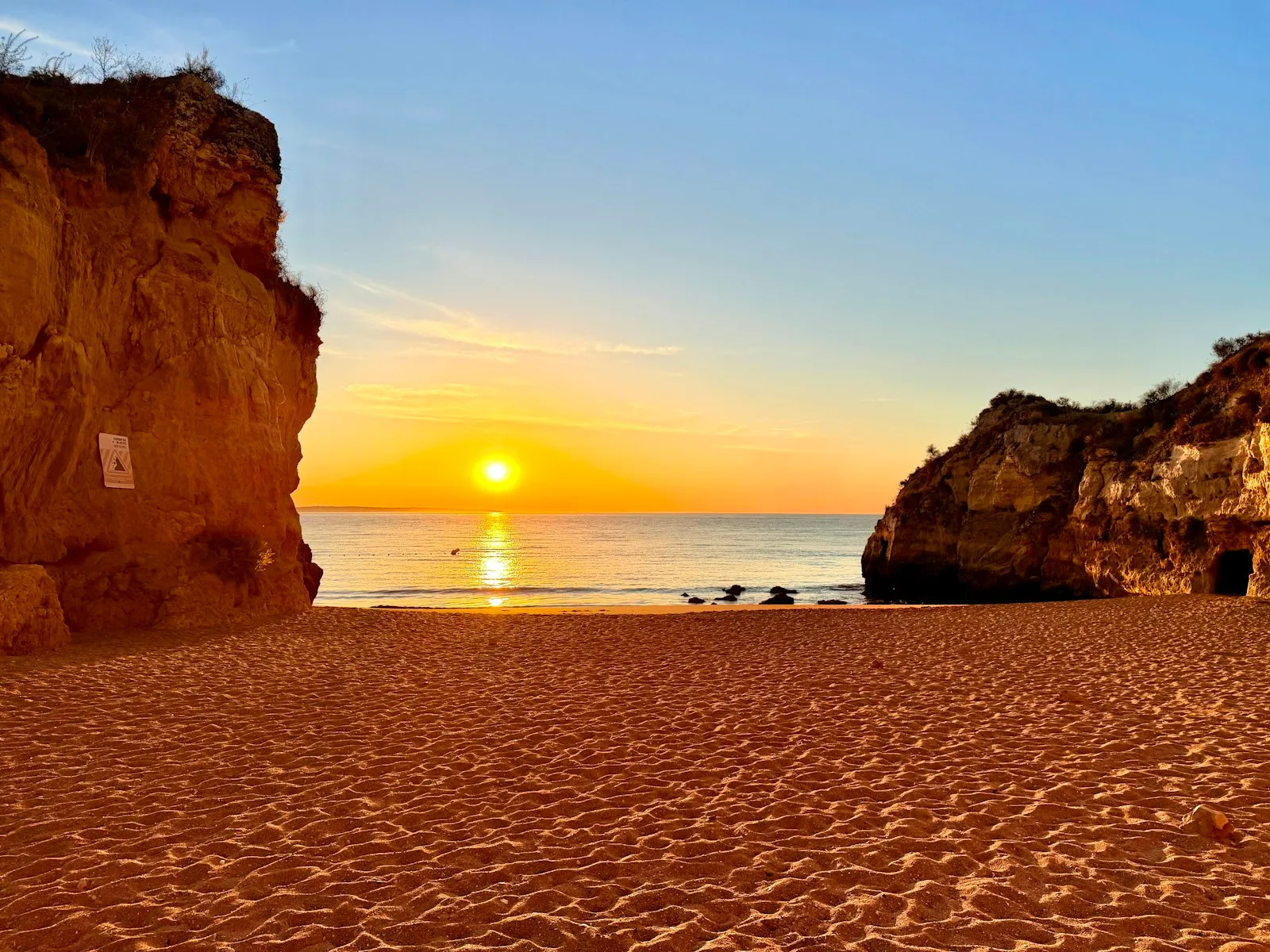
Algarve Weather in December by Motorbike: Roads and Gear
Algarve weather in December: IPMA temperatures and rainfall, what's open, empty roads and how to ride a motorbike in winter.
Read more →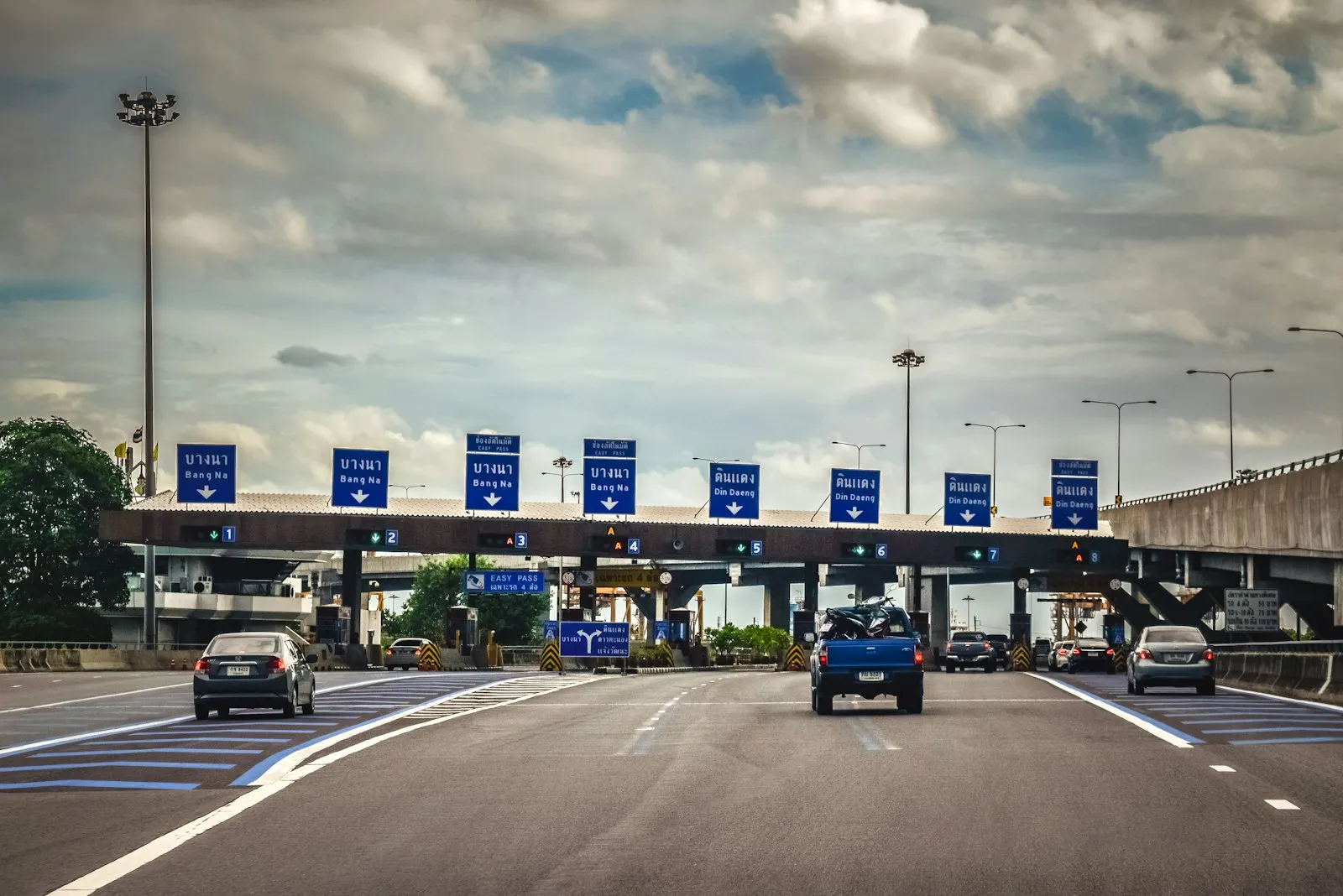
Via Verde Portugal: Paying Motorcycle Tolls and Classes
How to pay tolls in Portugal by motorcycle with Via Verde Portugal: Class 1, electronic tolls and solutions for visitors with a foreign vehicle.
Read more →
Lisbon to Seville by Motorbike: 3 Routes and a 4-Day Itinerary
Lisbon to Seville on a rental motorbike: three routes through the Alentejo, distances, stops, a 4-day itinerary and the Spain border rule.
Read more →