300cc Motorcycles in Sport: Why This Engine Size Can Be Seriously Fast
Spend some time around serious enduro racing and the idea that a 300cc motorcycle is somehow a compromise starts to disappear pretty quickly.
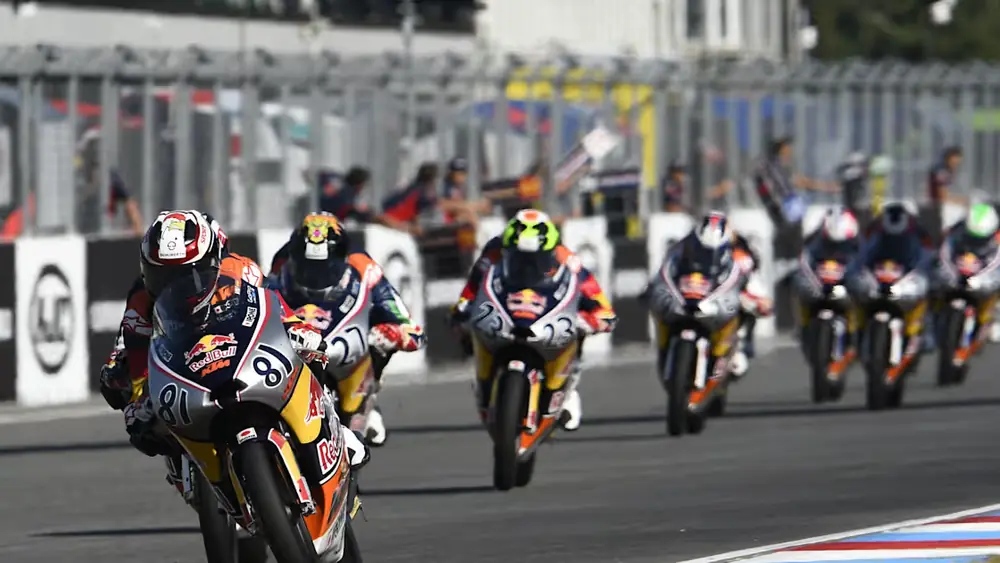
There is a funny thing about 300cc motorcycles.
But engine size doesn’t tell the whole story.
Spend some time around serious enduro racing and the idea that a 300cc motorcycle is somehow a compromise starts to disappear pretty quickly. In some types of off-road riding, particularly hard enduro, a 300 can be exactly the motorcycle an experienced rider wants underneath them.
And there is a good reason for that.
When the trail becomes steep, rocky, slippery and physically exhausting, having the biggest possible engine isn’t necessarily the advantage it sounds like. Sometimes the ability to control what the engine is doing matters considerably more than having another few horsepower available.
Why 300cc motorcycles make sense in competition
The first thing worth understanding is that displacement is only one part of the motorcycle.
This becomes especially obvious once you leave a normal motocross circuit.
Hard enduro is not about putting together one perfect lap. A rider may spend hours dealing with rocks, tree roots, mud, steep climbs and sections where simply keeping the motorcycle moving is already an achievement.
Red Bull Romaniacs is probably one of the best-known examples of this kind of racing. The event combines extremely difficult terrain with long days on the motorcycle, meaning that riders have to think about much more than outright acceleration. Red Bull Romaniacs
There are moments when horsepower is useful, of course. A steep climb still needs a strong engine. But there are also plenty of situations where too much power can actually make life harder.
Open the throttle too aggressively on loose ground and the rear wheel spins. Give the engine too much too early and the front can become difficult to place. Suddenly, the rider has plenty of performance but isn’t actually moving forward as efficiently as they could.
That is where a well-set-up 300cc motorcycle starts to look very clever.
The 300cc two-stroke and hard enduro
When people talk about 300cc motorcycles in extreme enduro, they are usually talking about two-strokes.
This combination has become almost iconic in the discipline.
A modern 300cc two-stroke can be surprisingly light while still producing more than enough power for serious off-road riding. The engine is compact, the motorcycle can be relatively easy to move around and the power delivery can be tuned to suit very different conditions.
That last part is important.
Technical enduro isn’t always about opening the throttle as far as possible. Sometimes the rider needs just enough drive to get over a rock without breaking traction. Sometimes they need a clean burst of acceleration halfway up a climb. And sometimes the best thing the engine can do is simply respond predictably.
A 300 can offer all of those options.
It is also a motorcycle that can be physically moved around when the trail gets ugly. When the rear wheel is stuck between rocks or the bike needs to be turned around on a narrow section, weight becomes a very real issue.
This is one of those advantages you don’t fully appreciate until you’ve spent several hours riding.
Red Bull Romaniacs is a good example
Watching a professional hard enduro race can change your definition of the word “fast”.
On a motocross track, speed is easy to understand. Carry more momentum, brake later, accelerate harder and find the quickest line through the corner.
Hard enduro works differently.
At Romaniacs, the fastest rider isn’t necessarily the one who attacks every obstacle at maximum speed. Sometimes the correct decision is to slow down, find traction and place the motorcycle exactly where it needs to go.
A rocky climb is a good example.
The rider may have almost no grip. The rear tyre is searching for traction and there is very little room for mistakes. A powerful motorcycle can certainly get up the hill, but only if the rider can translate that power into forward movement.
A 300cc motorcycle can make that job easier because the rider has more control over what happens when the throttle is opened.
This is also why professional hard enduro riders spend so much time working on suspension, gearing, engine mapping and setup. The motorcycle isn’t simply a collection of horsepower figures. Everything has to work together.
The FIM Hard Enduro World Championship is a good illustration of just how specialised modern off-road competition has become.
300cc two-stroke or 300cc four-stroke?
There is another detail that often gets lost when people simply search for “300cc motorcycle”.
A 300cc two-stroke and a 300cc four-stroke are very different machines.
The two-stroke usually feels lighter and more immediate. There is less engine braking and the response can be particularly useful when the rider needs to lift the front wheel, change direction quickly or get over an obstacle.
The four-stroke has its own advantages.
Power delivery tends to feel smoother and more progressive, while engine braking changes the way the motorcycle behaves when entering corners and descending steep terrain. For some riders and some types of racing, that character is preferable.
There isn’t really a universal winner.
A rider who spends most of their time on a motocross track may have completely different priorities from somebody competing in extreme enduro.
And that is exactly why simply comparing the engine capacity doesn’t tell you very much.
Why a 450 isn’t automatically faster
This is probably the most common misunderstanding around the 300cc category.
Yes, a 450cc motorcycle has more power. On a fast motocross track, that extra performance can be extremely useful. Longer straights, big jumps and fast corners give the larger engine plenty of opportunities to show what it can do.
Technical terrain changes the equation.
Imagine a steep muddy climb where traction is already limited. The rider gets on the throttle and the rear tyre starts spinning. The engine is producing plenty of power, but the motorcycle isn’t necessarily travelling forward any faster.
Now imagine the same climb on a lighter 300.
The rider may be able to open the throttle more progressively and keep the rear tyre working. There is less drama and, importantly, less wasted energy.
That doesn’t mean the 300 has suddenly become more powerful than the 450.
It means the rider may be able to use a greater percentage of the performance that is actually available.
For racing, that distinction matters.
The part nobody talks about enough: fatigue
There is another reason 300cc motorcycles work so well in hard enduro, and it has nothing to do with the specification sheet.
The rider gets tired.
After twenty minutes, almost any competition motorcycle can feel exciting. After several hours, the situation is very different.
Every extra kilogram matters. Every unnecessary wheelspin costs energy. Every time the rider has to fight the motorcycle instead of simply riding it adds to the workload.
This is where a manageable 300cc motorcycle can become particularly attractive.
A lighter machine is easier to move through tight sections. Predictable power makes it easier to maintain traction. A responsive chassis means fewer exaggerated movements are needed to correct mistakes.
None of this makes a 300cc race bike easy.
Quite the opposite. A modern competition 300 can be an extremely serious motorcycle. But there is a difference between a motorcycle being demanding because the terrain is difficult and a motorcycle making the terrain unnecessarily difficult for the rider.
At professional level, that difference is important.
The best 300cc motorcycle depends on what you want to do
There is no single answer to the question of which is the best 300cc motorcycle.
For somebody looking for a road bike, the priorities are completely different. Fuel consumption, reliability, comfort, running costs and ease of use may be more important than maximum performance.
There are plenty of road-oriented machines from manufacturers such as BMW, Benelli, Moto Guzzi and Moto Morini that use engines around this displacement.
But a competition enduro motorcycle is built for another purpose.
Ground clearance, suspension travel, weight, engine response and durability become much more important. The motorcycle has to deal with impacts and terrain that a normal road bike was never designed to see.
So when somebody says “300cc motorcycle”, it is worth asking what kind of motorcycle they actually mean.
A 300cc road bike and a 300cc enduro bike may share a number on the engine specification, but that’s about where the similarities end.
Are 300cc motorcycles good for beginners?
This depends heavily on the motorcycle.
A relatively calm 250–300cc road bike can be a sensible starting point for a new rider. It offers enough performance to learn without immediately jumping onto something unnecessarily powerful.
A competition 300cc two-stroke is a completely different proposition.
The engine can respond quickly, the suspension is designed for aggressive riding and the bike expects the rider to understand throttle control, body position and traction.
For somebody who has never ridden off-road, that can be a lot to deal with.
For an experienced enduro rider, however, the same characteristics can be exactly what makes the bike so enjoyable.
Once a rider understands how to carry momentum and manage traction, the 300cc format starts to reveal another side of itself.
Where the 300cc formula really shines
The harder the terrain becomes, the more interesting the 300cc motorcycle gets.
On an open track with long straights, a 450 has an obvious advantage. There is simply more acceleration available.
Put both motorcycles into a tight rocky section, though, and the picture becomes less straightforward.
The lighter motorcycle can be easier to turn. The engine can be easier to control. The rider can make small corrections without constantly having to manage a large amount of torque.
That doesn’t guarantee a faster lap.
It gives the rider a motorcycle that can be worked with rather than constantly fought against.
And in hard enduro, that is a pretty big deal.
Why professional riders continue to choose 300cc machines
At the highest level of extreme enduro, the popularity of the 300cc two-stroke isn’t an accident.
Professional riders aren’t particularly interested in what looks impressive on a specification sheet. They want a motorcycle that helps them finish the race.
If it can climb effectively, maintain traction, survive hours of abuse and remain manageable when the rider is exhausted, that’s performance.
This is why the 300cc formula continues to appear at major hard enduro events.
It sits in an interesting middle ground.
There is enough power to attack a serious climb, but the engine doesn’t necessarily overwhelm the rider. The bike remains relatively light and, with the right setup, can be remarkably precise.
That’s a very different definition of performance from simply chasing the highest horsepower figure.
So, is 300cc the perfect motorcycle size?
Not really.
There isn’t a perfect engine size for every rider.
If maximum acceleration on a motocross circuit is the priority, a 450cc motorcycle can make much more sense. If the goal is inexpensive everyday road riding, a smaller 250–300cc machine may be the better option.
Extreme enduro is where the argument for 300cc becomes particularly strong.
A properly prepared 300cc two-stroke can compete against much larger motorcycles because it isn’t trying to beat them at their own game.
It offers something different: relatively low weight, usable power, quick response and a level of control that can be extremely valuable when the terrain becomes difficult.
That’s probably the most interesting thing about the whole category.
A 300cc motorcycle doesn’t need to be the most powerful machine in the paddock to be one of the fastest.
Sometimes the winning advantage isn’t another 10 horsepower.
Sometimes it’s simply being able to put the power you already have exactly where you need it.
If you are considering a 300cc motorcycle, take a look at our guide to the best 300cc motorcycles on the market to compare different options and find out which one suits your needs best.
For riders planning a longer trip, motorcycle rental can also be a practical way to enjoy the freedom of two wheels without buying another bike.
Ready to ride in Lisbon?
Book your motorcycle or scooter in a few minutes, with delivery across Lisbon.
View the fleetSources
- 1Red Bull Romaniacshttps://www.redbullromaniacs.com/
- 2300cc two-strokehttps://www.ktm.com/en-pt/models/enduro.html
- 3FIM Hard Enduro World Championshiphttps://www.fim-hardenduro.com/
Motorcycle and scooter rental in Lisbon, Portugal.
All articles by the teamYou may also like
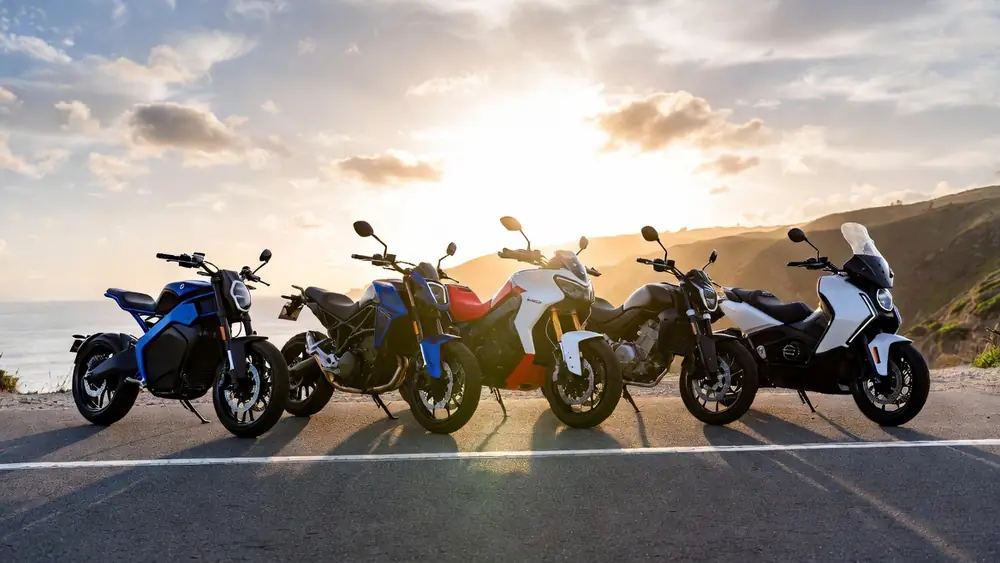
The Best Electric Motorcycles of 2026: Top Picks for Real Riders
Looking for the best electric motorcycles of 2026? We’ve tested and compared the top 5 models — LiveWire S2 Del Mar, Zero DSR/X, Energica Experia, Honda WN7 and BMW CE 04. Real-world specs, honest pros & cons, range, charging, and which one is best for riding in Portugal.
Read more →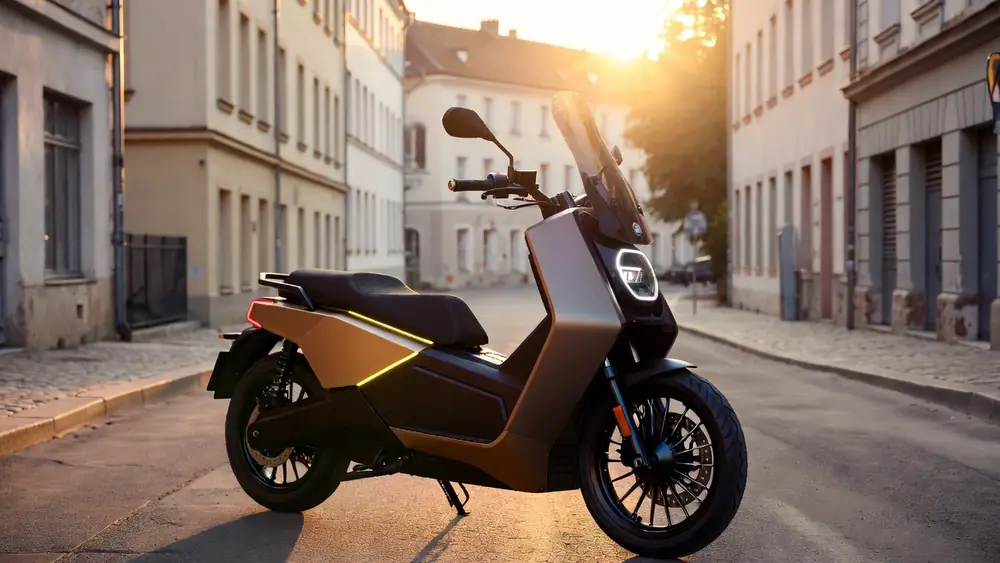
BMW Electric Motorcycle: The CE 04 and What BMW Is Actually Doing in the Electric Segment
Discover the BMW CE 04, BMW Motorrad’s premium electric maxi-scooter. Find out about its real-world performance, range, technology, riding experience, and whether it’s the right choice for urban electric mobility in 2026.
Read more →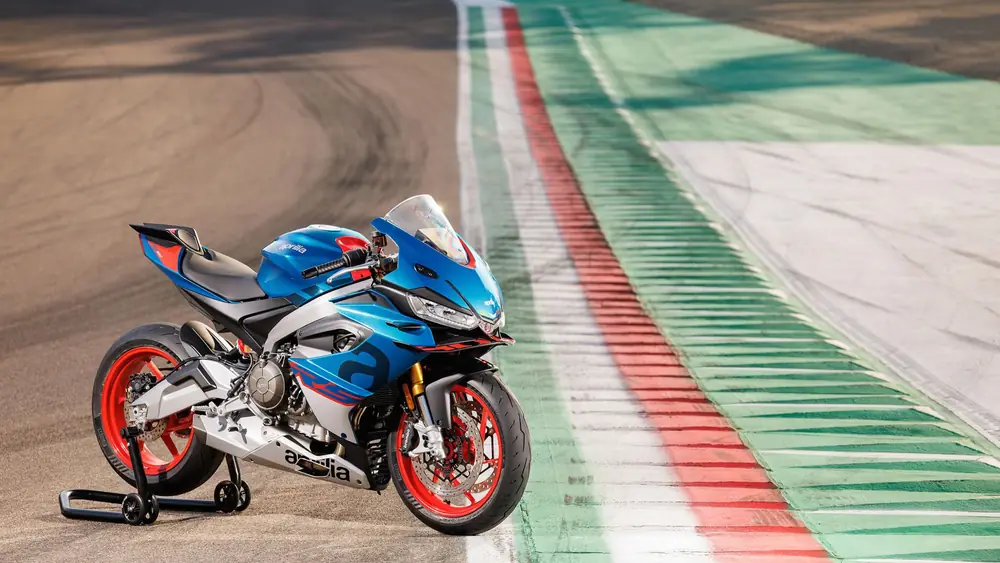
How to Paint Motorcycle Fairings?
Learn how to paint motorcycle fairings like a pro with this complete step-by-step DIY guide. From proper preparation and sanding to priming, painting, and clear coating – achieve a professional finish on your fairings motorcycle and save hundreds of dollars. Perfect for beginners and experienced riders.
Read more →